Skip to content

This month, our Adobe Express spotlight is on becoming an Empathetic Communicator. In an era of digital noise, helping students bridge the gap between their internal feelings and their impact on others is essential. To bring this theme to life, we are highlighting a powerful project from educator Ramona Abraham-Coley: Student Identity Short Videos.

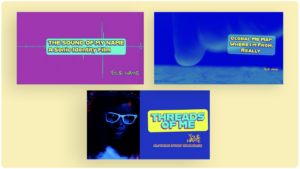
Cover images of three different student short video projects

She shares three easy-to-implement short video projects where students have to practice empathy and communication in a variety of ways.

  1. Students celebrate their voice, heritage, and community with The Sound of My Name video template.
  2. Students explore the locations around the world that influenced their identity with this Global Me storytelling video template.
  3. Students showcase a significant clothing item that reflects their heritage, religion, identity, or family narrative with this Threads of Me video template.

Bridging the Gap with Adobe Express

Empathetic communication begins with self-awareness. When students understand their own "why," they can more effectively share their stories with others. Using the intuitive video tools in Adobe Express, Ramona’s project encourages students to create short, punchy narratives that explore their unique backgrounds, values, and emotions.

How it works in the classroom:

  • Identify the Feeling: Students start by reflecting on an aspect of their identity that is often "invisible" to others.

  • Create the Connection: Using Adobe Express Video, students combine personal clips, icons, and voiceovers. This process forces them to consider how their creative choices—like music and pacing—affect the viewer's emotional response.

  • Measure the Impact: By sharing these videos, students receive immediate feedback on how their peers perceived their message, helping them "close the loop" on communication.

Start Creating

By practicing vulnerability through video, students learn that their voices have the power to build bridges rather than walls. You can find Ramona Abraham-Coley’s full tutorial and more inspiration here: https://express.adobe.com/learn/tutorial/express%2Fedu%2Fedu-creator-ramona-abraham-coley?source=learn-main-page&playlist=playlist%2Fexpress%2Feducator-collections.

Text on a comic book style background "embrace challenges"

Challenge: Have your students create a 30-second "Identity Short" this week to practice sharing their perspective with empathy and clarity!

Engage Your Student Citizens with a Media Diet Reflection

This month for our Adobe Update we are excited to share a dynamic new project using Adobe Express: Design a Web Page to Reflect on Your Media Diet perfect for developing Engaged Citizens

In this activity, students analyze their own media consumption, reflect on how information shapes their views, and then use Adobe Express to design web pages that visually represent their findings. This creative process builds critical media literacy, helping students understand the sources and impact of their daily information intake.

This project directly supports the Engaged Citizen element in our Portrait of a Graduate. By examining the role of media and sharing their reflections with peers, students learn to be informed, thoughtful participants in their communities. They develop the ability to question, evaluate, and act responsibly in a digital world—essential skills for contributing meaningfully to society now and in the future.

This month’s resource is a powerful recorded session from Adobe’s Creative Community Week titled, “Prompting for Equity: A Hands-On Look at AI Bias” with Shira Moskovitz. 

This session guides educators through using Adobe Express’s AI image generation to explore the concept of AI bias in a vivid, accessible way. Participants learn how hidden biases can appear in AI-generated images, why this happens, and strategies for designing prompts that promote more inclusive and equitable results. The session also includes a ready-to-use classroom activity!

Regarding our PD focus this month on Digital Equity, this session is a timely resource for helping all students gain equal access to key digital tools and skills. Digital Equity=Ensuring all students can fully benefit from technology, regardless of background. 

By teaching students to recognize and challenge bias in AI, we’re not just building technical know-how—we’re empowering them to be ethical, engaged citizens, as outlined in our Portrait of a Graduate. When students understand the importance of fairness and inclusion in technology, they’re better equipped to participate meaningfully in today’s digital world.

Stop Motion Projects in Adobe Express: Unleashing Creative Problem Solvers

Our resource this month is the possibility of students bringing their ideas to life with stop motion projects in Adobe Express! This hands-on activity challenges them to plan, design, and troubleshoot each step of the animation process—just like true Creative Problem Solvers.

Stop motion is a filmmaking technique where students take a series of photos of objects or drawings, moving them slightly each time. When these images are played in sequence, it creates the illusion of movement. In Adobe Express, students can easily upload their photos, arrange them in order, add text or audio, and produce a polished stop motion animation—all within a user-friendly platform that encourages experimentation and creativity!

Check out these student examples and teaching materials to adapt for your own stop motion project here:

As students innovate and adapt to bring stories to life frame by frame, students flex their critical thinking, resourcefulness, and creativity, supporting our Portrait of a Graduate vision.

Guided Learning Journals in Adobe Express: Fostering Curious Thinkers

This month's Adobe update, we are excited to show you how students can use Adobe Express to create digital learning journals. This guided activity encourages students to document their questions, reflect on new ideas, and explore topics that spark their curiosity. You can access the guided learning activity here: Learning Journal Guided Activity.

The guided activity provides a template and short instructional videos teaching users how to create the project. A fun and easy way to get started thinking creativity & curiously.

By capturing daily thoughts and discoveries, students practice being Curious Thinkers—a key trait in our Portrait of a Graduate. They learn to ask questions, seek multiple perspectives, and remain open to new ideas, building habits that will serve them in and beyond the classroom.